
Regulatory-Ready Food Label Printers
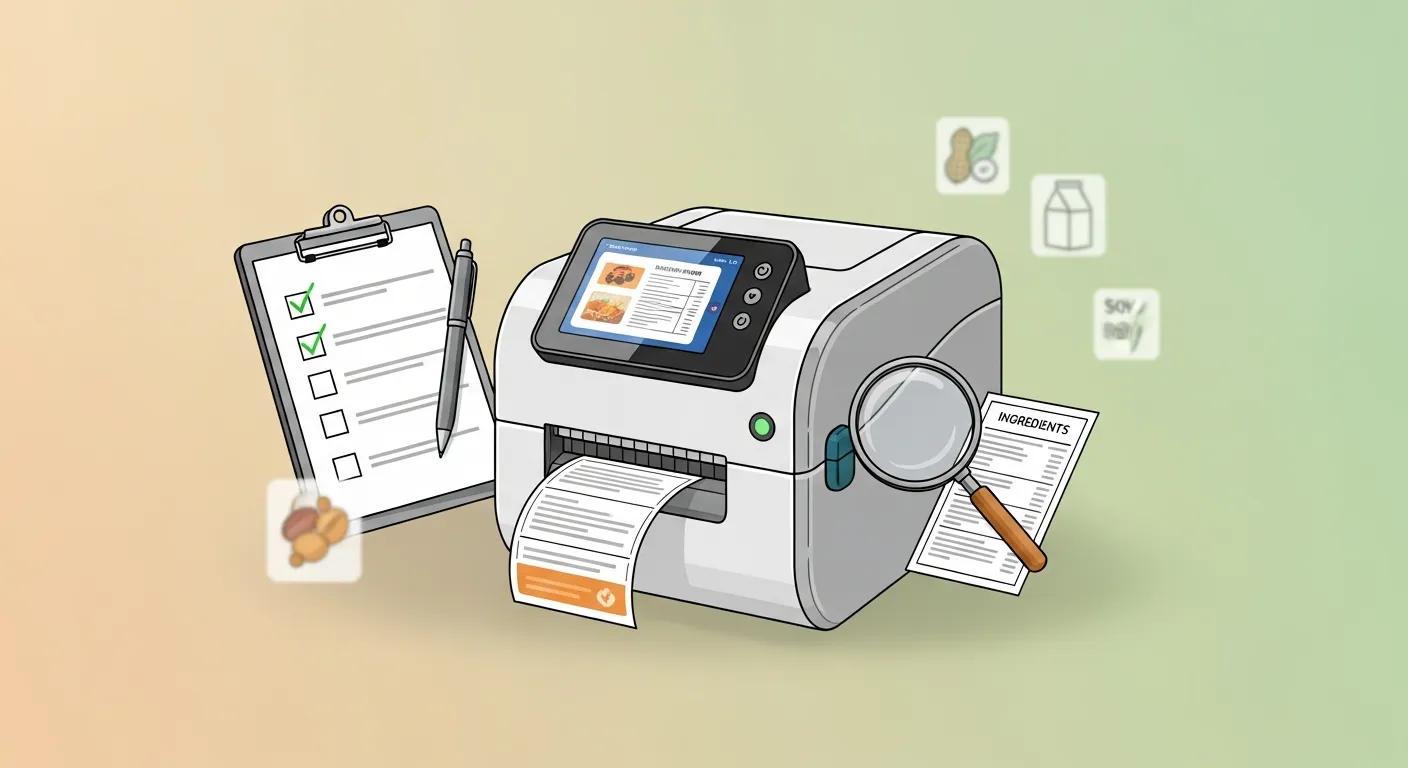
In the competitive landscape of food and fast-moving consumer goods (FMCG) brands, compliance with labelling regulations is paramount. A fully compliant label printer not only ensures adherence to legal standards but also enhances food safety and consumer trust. This article delves into what food and FMCG brands can expect from a compliant label printer, covering essential regulations, technical features, integration with supply chains, best practices for allergen and nutritional information, and the impact of sustainable solutions. By understanding these aspects, brands can navigate the complexities of food labelling while maintaining high standards of quality and safety.
What Are the Key UK Food Labelling Regulations for FMCG Brands?
UK food labelling regulations are designed to protect consumers by ensuring that they receive accurate and clear information about the products they purchase. These regulations encompass various aspects, including ingredient lists, allergen declarations, and nutritional information. Compliance with these regulations is not just a legal obligation; it also fosters consumer confidence and brand loyalty. Non-compliance can lead to severe consequences, including fines and damage to brand reputation.
Further emphasising the breadth of these requirements, comprehensive labelling standards ensure consumers receive all necessary details for informed decisions and safety.
Essential Food Labeling Regulations & Safety Information
The labeling should be indelibly printed, painted, or affixed on the main panel with a common name and brand/trade name, with net contents in international symbols. In addition to that, food additives by name or International Numbering System (INS) number, instructions for storage/use if any, the name and address of the manufacturer, the packer, the batch number or code number or decipherable code marking, the date of expiry, a list of ingredients in descending order, and the food safety regulations of the country should be included in the label, which will be discussed in this chapter.
Labeling Requirements for Plant Protein Sources, ALM Rifky, 2025
Which Allergen and Nutritional Information Must Be Declared on Food Labels?
FMCG brands must declare specific allergens and nutritional information on their food labels to comply with UK regulations. Key allergens that must be highlighted include peanuts, tree nuts, milk, eggs, fish, crustaceans, molluscs, soybeans, cereals containing gluten (such as wheat, barley, rye, oats, spelt, kamut), and sesame seeds. Additionally, nutritional information such as energy value, fat content, saturated fat, carbohydrates, sugars, protein, and salt must be clearly presented. This transparency helps consumers make informed choices, particularly those with food allergies or dietary restrictions.
How Do UK Food Packaging Label Standards Impact Compliance?
UK food packaging label standards significantly impact compliance by dictating how information is presented on labels. These standards require that labels be legible, with specific font sizes and contrast ratios to ensure readability. Furthermore, the layout must facilitate easy identification of key information, such as allergens and nutritional facts. Brands that fail to adhere to these standards may face compliance challenges, including product recalls and legal penalties.
What Technical Features Define a Fully Compliant Label Printer?
A fully compliant label printer is equipped with several technical features that ensure high-quality output and adherence to regulatory standards. These features include high print resolution, compatibility with various label materials, and the ability to produce durable labels that withstand environmental factors.
How Do Label Printers Ensure High Print Quality for Food Safety Labels?
Label printers ensure high print quality through advanced technologies that enhance print resolution and color accuracy. High-resolution printing is crucial for producing clear barcodes and text, which are essential for compliance and consumer safety. Additionally, these printers often utilize specialized inks and materials that are resistant to smudging and fading, ensuring that labels remain legible throughout the product's shelf life.
What Certifications and Compliance Standards Should Label Printers Meet?
Compliant label printers should meet various certifications and compliance standards, including ISO 9001 for quality management systems and ISO 14001 for environmental management. These certifications demonstrate a commitment to quality and sustainability, which are increasingly important to consumers. Furthermore, printers should comply with specific food safety standards, ensuring that the materials used in label production do not contaminate food products.
The importance of safe materials extends to the very inks used, as conventional inks pose risks of migration into food products.
Edible Inks for Safe Food Packaging & Printing
Conventional ink component's migration into the foodstuff has become an increasing issue in the food and pharmaceutical packaging industry. Therefore, edible inks are the solution for the harmful conventional inks.
Recent Development in Edible Inks for Food Printing and Packaging Applications: A Review, S Tripathi, 2024
How Can Label Printers Integrate with FMCG Supply Chain Traceability Systems?
Integration of label printers with FMCG supply chain traceability systems is essential for maintaining product integrity and compliance. This integration allows for real-time tracking of products from production to retail, ensuring that all labelling information is accurate and up-to-date.
What Are the Benefits of Traceability Codes in Food Labelling?
Traceability codes on food labels provide several benefits, including enhanced consumer transparency and improved regulatory compliance. These codes allow consumers to trace the origin of their food products, fostering trust in the brand. Additionally, traceability systems help brands quickly identify and address any issues related to product recalls or safety concerns.
How Do Digital Compliance Workflows Enhance Label Printing Processes?
Digital compliance workflows streamline the label printing process by automating data entry and ensuring that all labelling information is accurate and compliant with regulations. These workflows reduce the risk of human error and enable brands to respond quickly to changes in regulations or product formulations. By implementing digital solutions, brands can enhance efficiency and maintain high standards of compliance.
What Are Best Practices for Allergen and Nutritional Information Labelling?
Best practices for allergen and nutritional information labelling are crucial for ensuring consumer safety and regulatory compliance. Brands should prioritise clarity and accuracy in their labelling practices to avoid potential health risks.
How to Accurately Declare Allergens on Food Labels?
To accurately declare allergens on food labels, brands should follow established guidelines that specify the format and placement of allergen information. This includes using bold or highlighted text to draw attention to allergens and providing clear, concise descriptions of each allergen present in the product. Regular training for staff involved in labelling can also help minimise errors.
What Nutritional Facts Are Essential for UK Food Packaging?
Essential nutritional facts for UK food packaging include energy value, total fat, saturated fat, carbohydrates, sugars, protein, and salt content. These facts must be presented in a standardised format to facilitate easy comparison between products. Brands should also consider including additional information, such as fiber content and vitamins, to provide consumers with a comprehensive understanding of the product's nutritional value.
How Are Sustainable and Eco-Friendly Label Printing Solutions Shaping FMCG Compliance?
Sustainable and eco-friendly label printing solutions are becoming increasingly important in the FMCG sector as brands strive to meet consumer demand for environmentally responsible practices. These solutions not only help brands comply with regulations but also enhance their reputation among eco-conscious consumers.
What Eco-Friendly Materials Are Used in Compliant Food Labels?
Eco-friendly materials used in compliant food labels include recycled paper, biodegradable plastics, and plant-based inks. These materials reduce the environmental impact of label production and align with consumer preferences for sustainable products. Brands that adopt these materials can enhance their marketability while contributing to environmental conservation.
How Do Sustainable Labels Support Regulatory and Consumer Demands?
Sustainable labels support regulatory and consumer demands by providing clear information about the environmental impact of products. This transparency helps consumers make informed choices and encourages brands to adopt more sustainable practices. Additionally, compliance with environmental regulations can prevent potential legal issues and enhance brand reputation.
What Case Studies Demonstrate Successful Use of Fully Compliant Label Printers by FMCG Brands?
Examining case studies of FMCG brands that have successfully implemented fully compliant label printers can provide valuable insights into best practices and potential challenges.
Which FMCG Brands Have Adopted Compliant Label Printing Solutions?
Several FMCG brands have adopted compliant label printing solutions to enhance their labelling processes. These brands have reported improvements in efficiency, accuracy, and compliance with regulatory standards. By investing in advanced label printing technology, these companies have positioned themselves as leaders in food safety and consumer trust.
What Lessons Can Be Learned from Compliance Implementation Examples?
Lessons learned from compliance implementation examples include the importance of investing in high-quality label printing technology and the need for ongoing staff training. Brands that prioritise compliance and quality in their labelling processes are better equipped to navigate the complexities of food regulations and maintain consumer trust.
| Feature | Description | Benefit |
|---|---|---|
| High Print Resolution | Ensures clarity in barcodes and text | Enhances compliance and consumer safety |
| Durable Materials | Resistant to smudging and fading | Maintains label legibility throughout shelf life |
| Compliance Certifications | ISO 9001, ISO 14001 | Demonstrates commitment to quality and sustainability |
This table illustrates the key features of compliant label printers and their associated benefits, highlighting the importance of quality in food labelling.
FMCG brands must navigate a complex landscape of regulations and consumer expectations when it comes to food labelling. By understanding the key regulations, technical features of compliant label printers, and best practices for allergen and nutritional information, brands can ensure compliance and enhance consumer trust. Sustainable practices further support these efforts, positioning brands as responsible leaders in the market.
Share:


Leave a comment
Write your comment here...